



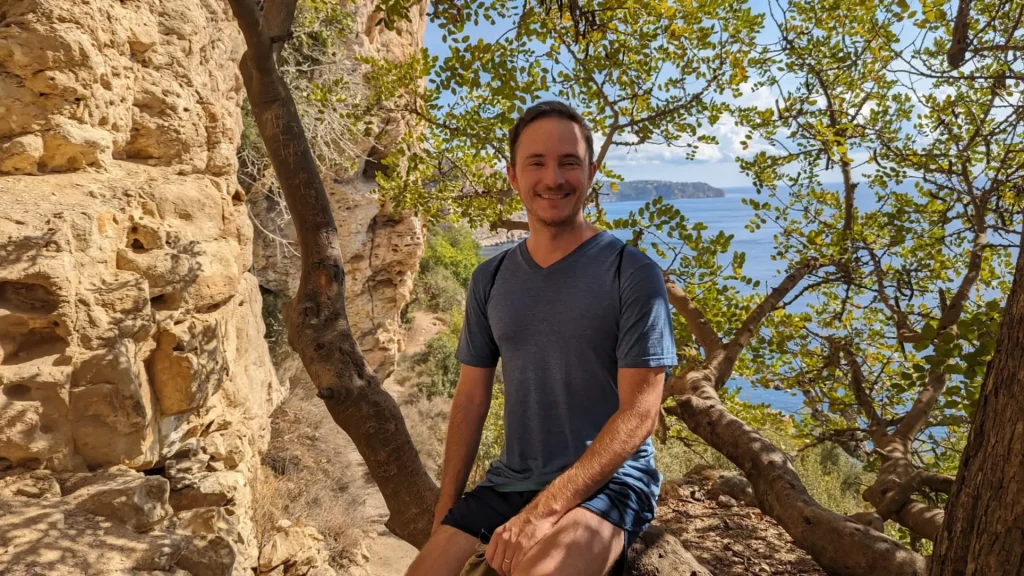
When Kevin J.S. left the United States for Spain in 2018, it was not because he wanted a more adventurous life abroad.
It was because he no longer felt safe building a future at home.
Originally from the Southeastern United States, Kevin says being in a same-sex relationship with a foreign partner made everyday life increasingly complicated, both socially and emotionally.
Then came the 2016 election.
“As soon as Trump won, we immediately started looking into ways to leave the country.”
For Kevin and his partner, the decision was driven by two fears at once: concern for his partner’s safety as an immigrant in America, and concern for their safety as an LGBTQ+ couple.
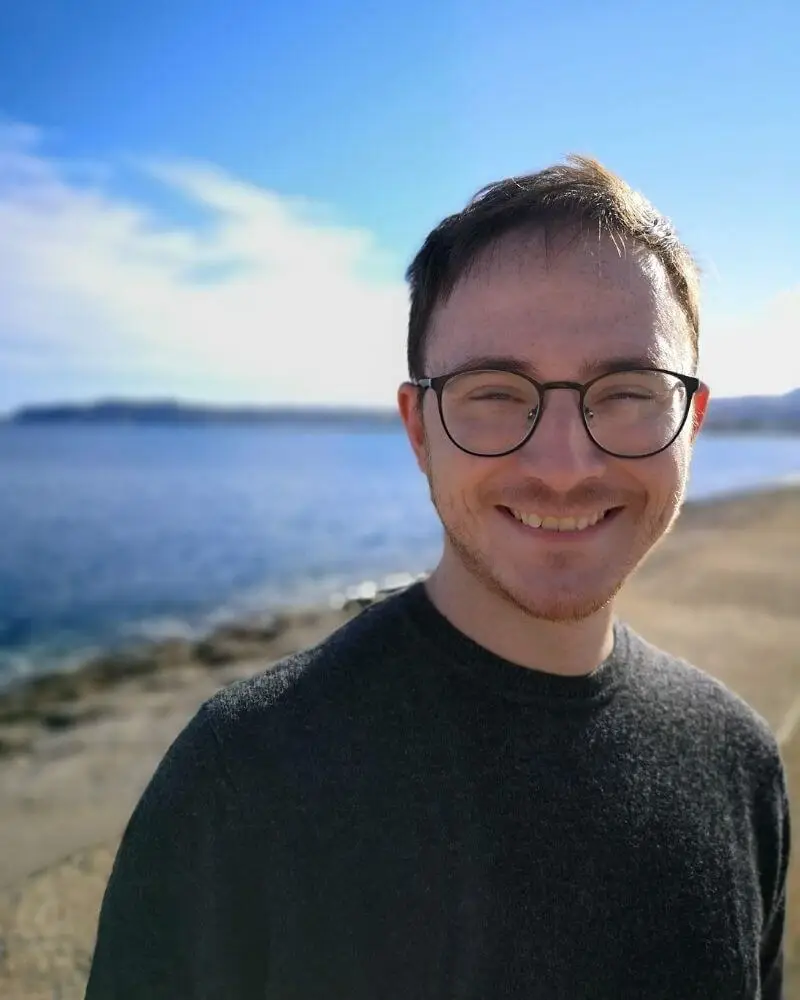
“I Didn’t Feel Safe Holding My Partner’s Hand”
Today, Kevin lives in Valencia with his now-husband, who is Spanish.
But before relocating, he says daily life in the US often carried an underlying sense of danger.
“I didn’t feel safe holding my partner’s hand in public.”
The fear extended beyond LGBTQ+ rights alone.
Kevin describes a broader feeling of instability in American life, one shaped by mass shootings, healthcare insecurity, and rising political hostility.
“Any concert, movie theater, or public event could become the scene of the next mass shooting.”
At the same time, economic anxiety remained constant.
“I always felt like one medical emergency away from becoming homeless.”
Over time, Kevin says those pressures created a feeling that survival itself was becoming harder, not just quality of life.
Why Spain Felt Different
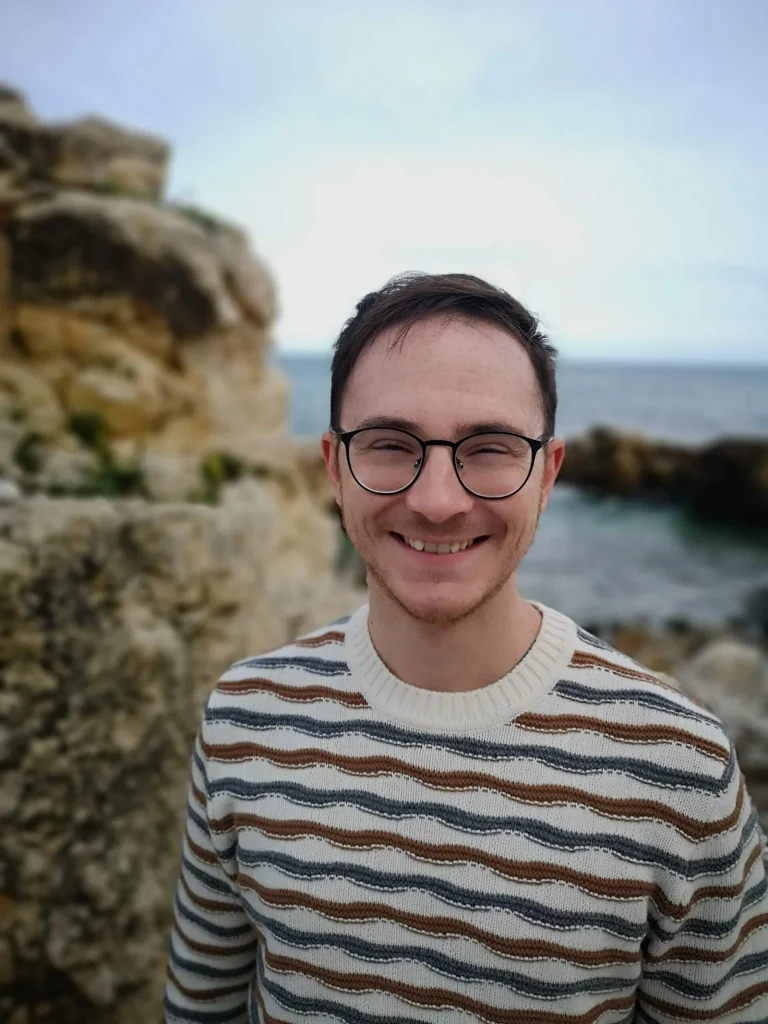
Spain initially made practical sense because Kevin’s partner was Spanish, making residency pathways more accessible.
But emotionally, Spain represented something much bigger.
Safety.
Normalization.
Relief.
Kevin says one of the biggest changes after moving was realizing he no longer had to calculate whether it was safe to simply exist openly.
“I went from not feeling comfortable holding my partner’s hand in public to being openly out with anyone I meet.”
In Valencia, LGBTQ+ visibility became part of daily life rather than something hidden away.
Pride flags appeared throughout ordinary neighborhoods. LGBTQ+ representation felt mainstream rather than performative. Community spaces were visible, active, and integrated into society.
“I can openly talk about my partner to strangers without preparing for uncomfortable reactions.”
For Kevin, that shift changed his understanding of what everyday life could feel like.
More Than Rights: A Different Quality of Life
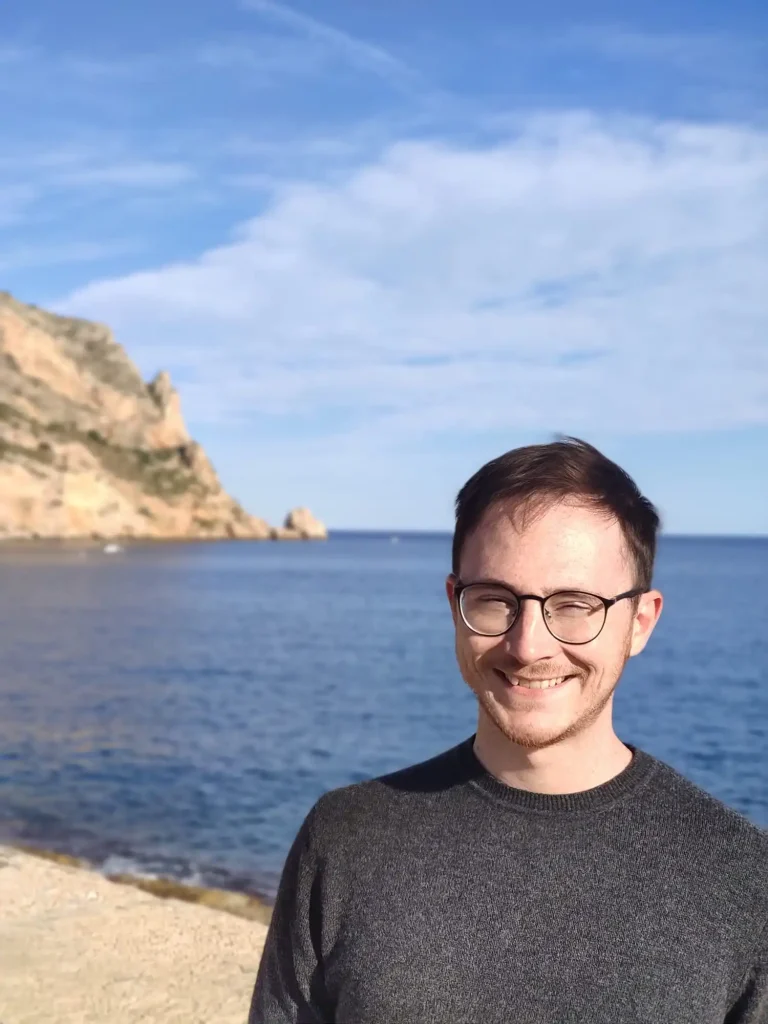
Kevin says the improvement was not only social, but structural.
Public healthcare, labor protections, stronger work-life balance, and a more community-oriented culture all contributed to a feeling of stability he struggled to find in the US.
But relocation was not effortless.
Spain’s immigration bureaucracy, he says, was one of the hardest parts of the process.
“The paperwork was expensive, confusing, and incredibly stressful.”
Even with language skills and local support, the process often felt uncertain.
The hardest part was the fear that after uprooting his life, he could still be forced to return to the US.
A Growing Pattern Among LGBTQ+ Americans
Since moving, Kevin says he has met many other LGBTQ+ Americans in Spain who left for similar reasons.
Across those stories, the same themes repeatedly emerge:
- Concerns about political extremism
- Fear of losing marriage protections
- Rising hostility toward LGBTQ+ communities
- Healthcare insecurity
- Fear of violence, especially among trans Americans
“Most people feel like things are getting out of control.”
Kevin believes many Americans considering relocation misunderstand what moving abroad actually requires.
Leaving is not simply escape.
It is rebuilding.
“If You Move Abroad, You Have to Integrate”
Unlike many social media narratives that frame relocation as permanent vacation, Kevin emphasizes responsibility and integration.
He encourages Americans moving abroad to actively participate in local communities rather than remaining isolated within expat circles.
“If you’re leaving the US to escape a problematic society, it’s your responsibility to leave a positive impact on the society that adopts you.”
Learning local languages, understanding cultural norms, and building relationships with locals are all part of creating a sustainable life abroad, he says.
Particularly in countries like Spain, where housing pressures and immigration debates are increasingly sensitive, Kevin believes integration matters deeply.
The Rise of LGBTQ+ Relocation From the US
Kevin’s story reflects a broader trend explored in Get Golden Visa’s LGBTQ+ mobility research and its broader US migration analysis, including the 2025–2026 white paper The Great American Retirement Exodus, which examines how growing numbers of Americans are pursuing international relocation not only for lifestyle reasons, but for long-term emotional, political, and personal security.
For Kevin, moving to Spain was ultimately about something simple:
“I finally feel like I can exist openly without fear.”
Download the Full Report
Explore the research, personal stories, and relocation trends shaping how LGBTQ+ Americans are thinking about life abroad.
Download Full ReportCase stories are shared for informational and illustrative purposes only and may include client experiences, public examples, or personal global mobility journeys. Each case is unique and should not be relied upon as legal, financial, tax, immigration, or investment advice. Any names, photographs, or identifiable personal details featured in these case stories are used with the prior consent of the individuals concerned. Any third party referencing, quoting, reproducing, or using these case stories should provide proper attribution to Global Mobility Insights by Get Golden Visa.